Machine Learning Advertising Systems
Building real-time decision systems at the intersection of machine learning, marketplaces, and mobile games.
My transition from advertising operations into product management while building machine-learning products, audience systems, and a real-time demand-side platform for mobile games.
Before I was designing consumer products, I was designing the systems behind them.
My transition into product management happened in advertising technology, where millions of decisions were being made every day about which advertisement to show, who should see it, and what that opportunity was worth. Long before "AI" became part of everyday conversation, we were working with machine learning models to predict user behavior, optimize campaigns, and improve bidding decisions in real time.
It was a world measured in milliseconds.
Every request represented a tiny marketplace. Advertisers competed for attention, prediction models estimated the value of an impression, and the system had to make a decision before a player ever noticed the ad had loaded.
That environment changed how I thought about product.
From Operations to Product
I didn't begin my career building machine learning systems.
I began in advertising operations, learning how campaigns actually worked from the inside.
Working directly with advertisers, publishers, and internal teams gave me an understanding of the operational complexity behind digital advertising. Over time I became less interested in executing the work and more interested in improving the systems that made the work possible.
That transition eventually led me into product management.
At AdColony I helped consolidate multiple internal platforms into a single system, reducing operational complexity while making it easier for hundreds of advertisers and publishers to manage campaigns. From there my work increasingly focused on automation, machine learning, and large-scale decision systems.
Designing for Prediction
One of the most interesting challenges was that the product wasn't simply an interface.
The product was a prediction.
Working alongside data scientists, we built tools that helped advertisers understand audiences, forecast performance, and improve campaign optimization through machine learning.
Those models weren't replacing human decision making. They were giving people better information to make decisions at a scale that would have been impossible manually.
During this work we also replaced a proprietary audience platform with an external data management platform, simplifying onboarding and reducing processing time while making richer audience targeting possible.
Real-Time Marketplaces
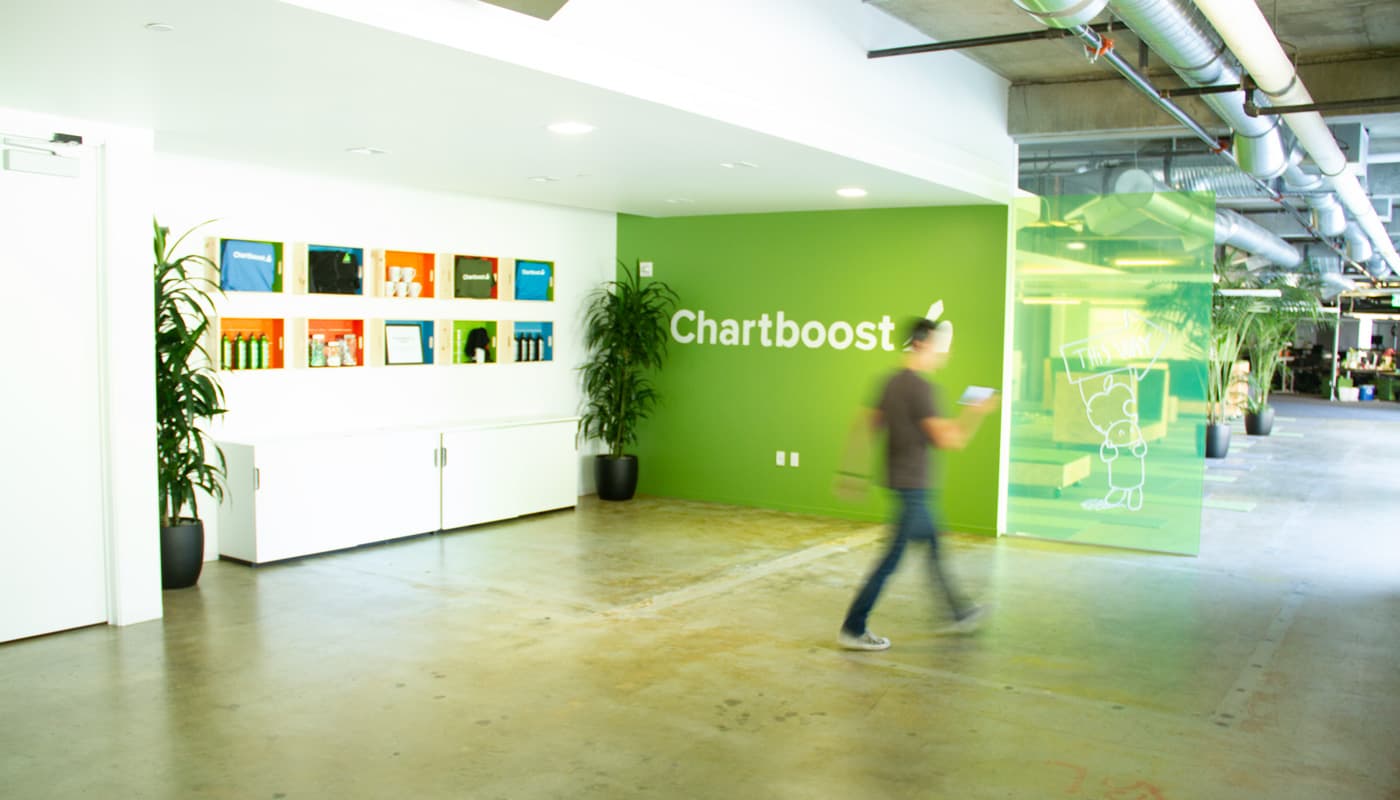
At Chartboost I shifted from advertising tooling to the marketplace itself.
I worked on the company's demand-side platform (DSP), helping shape the strategy and product for real-time programmatic bidding in mobile games.
Every impression became an auction.
Every auction became a prediction problem.
The challenge wasn't simply maximizing bids. It was balancing advertiser performance, marketplace health, latency, and long-term efficiency within a system that operated continuously.
During that period the platform grew from an early beta handling less than $100,000 in monthly advertiser spend to more than $1 million per month within six months.
It was my first experience building products where economics, engineering, and machine learning were inseparable.
What Stayed With Me
Looking back, I don't think the most valuable thing I learned was advertising.
It was systems thinking.
Those years taught me that incentives shape behavior, that marketplaces succeed only when every participant benefits, and that optimization is never just about maximizing one metric. Healthy systems balance competing goals over time.
Those ideas followed me into every project that came after.
At Lucky Day they became questions about retention, progression, and reward systems.
At Sweet they became onboarding, live operations, digital ownership, and fan engagement.
Outside of work they influenced how I think about collaboration, participation, and creativity.
Advertising technology wasn't the destination.
It was where I learned to think in systems.