Dreamwave
Long-form improv ensemble built around JTS Brown
Built and performed with a Los Angeles long-form improv team around a distinctive evolving form.
What It Is
Dreamwave began as an experiment.
In late 2024, I was introduced to the JTS Brown form through a class taught by Garrett Palm at WE Improv. I was immediately drawn to its freedom, character-driven storytelling, and willingness to let scenes evolve rather than chase edits or game.
When WE Improv announced its first Fantasy Jam, I saw an opportunity to build a team around the form.
The team was eliminated in the first round.
Instead of ending there, Dreamwave became something much larger.
What started as a draft team evolved into an ongoing ensemble dedicated to exploring, preserving, and expanding one of improv's most fascinating longform structures.
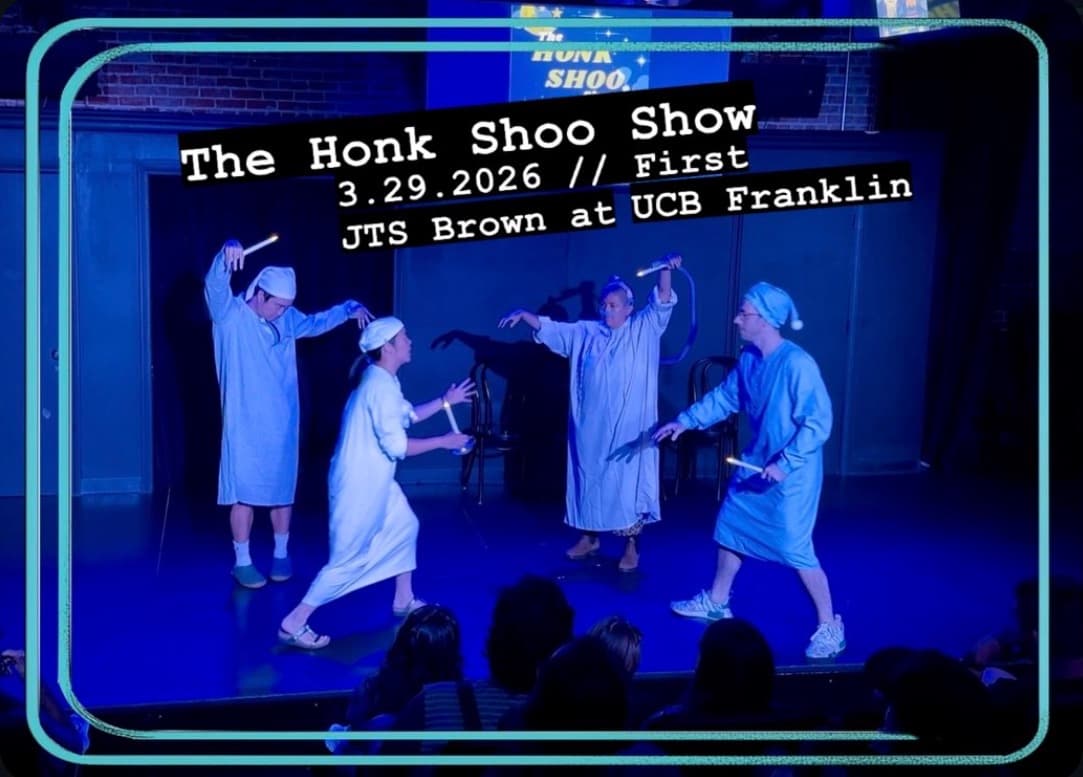
Building An Ensemble Around A Form
Most improv teams are built around a cast.
Dreamwave was built around a question.
What happens when a group commits to studying one form deeply over many years?
Rather than treating JTS Brown as a finished structure, we've approached it as a living medium. Every rehearsal and every performance has become an opportunity to refine existing mechanics, develop new wrinkles, and discover new ways of telling stories together.
Under the coaching of Craig Cackowski, one of the original architects of JTS Brown, Dreamwave has continued that tradition while gradually developing its own voice.
Evolving JTS Brown
While our work remains rooted in JTS Brown, we've spent years exploring how the form can become more interactive, more character focused, and more emotionally connected to the audience.
One of the biggest changes has been reimagining the opening.
Instead of beginning with a traditional suggestion, every show starts with a conversation about a question the audience genuinely finds fascinating. Topics often touch on philosophy, spirituality, metaphysics, memory, consciousness, coincidence, or the strange parts of being human.
That conversation doesn't generate scenes.
It generates a shared curiosity.
The show becomes an attempt to explore that question together.
From there, performers build a shape-shifting opening where characters emerge organically, transform into one another, and gradually reveal the world the audience is about to enter.
Treating Form As A Living Medium
Dreamwave continues to develop new mechanics that can appear throughout the show.
Some reinterpret classic JTS Brown wrinkles, while others borrow ideas from clown, theatrical narration, and other longform traditions.
Mechanics such as Shadows, transformational edits, audience interaction, narrated scenes, and experimental structures like The Gray Clover are all part of an ongoing effort to deepen character, strengthen narrative continuity, and blur the line between performer and audience.
No two performances evolve in exactly the same way.
That's intentional.
More Than A Team
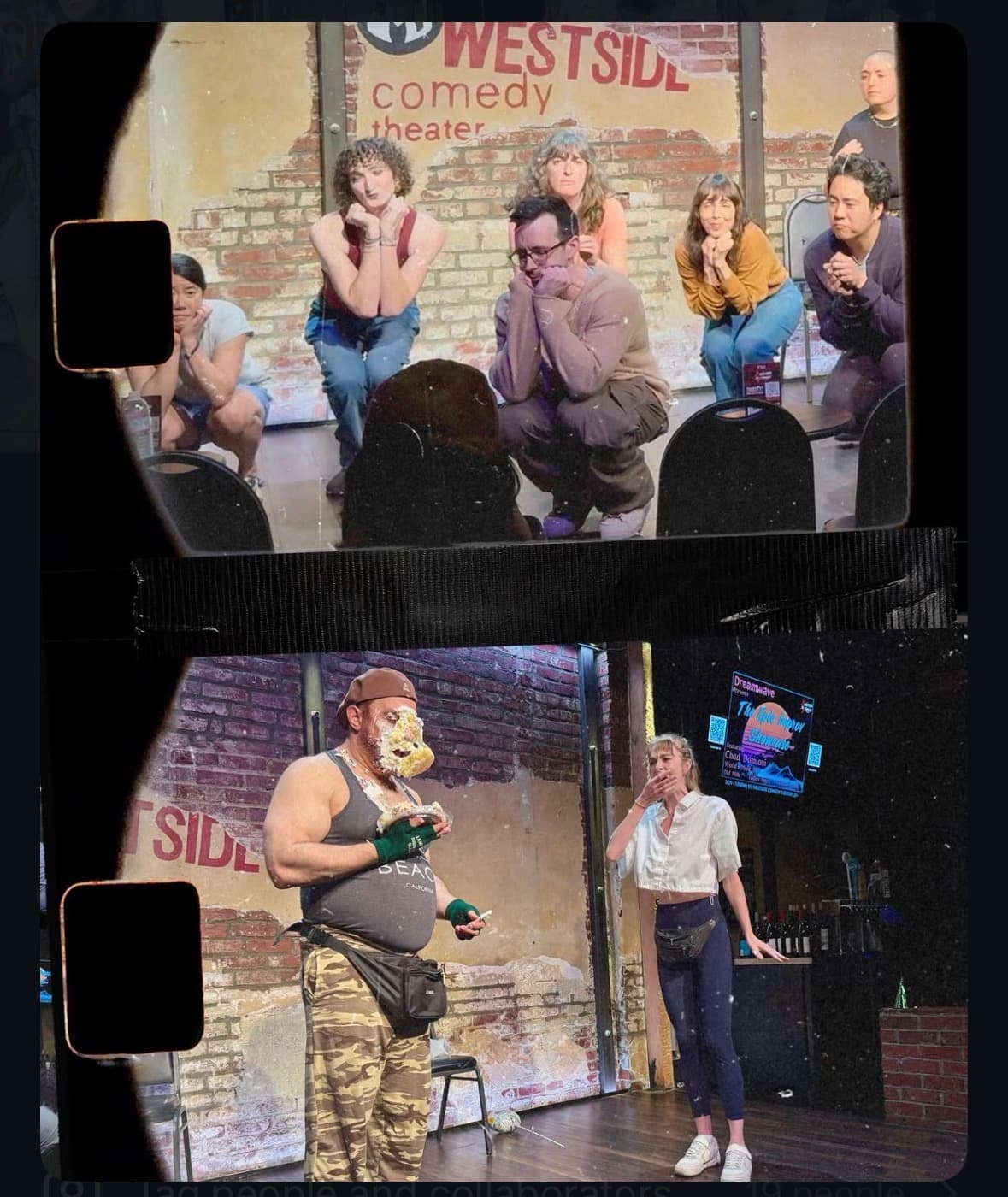
Over time, I've come to think of Dreamwave less as a traditional improv team and more as an ongoing creative project.
The cast has naturally evolved over the years as performers joined, moved away, returned, or collaborated for individual shows. What remains consistent isn't a fixed lineup. It's a shared commitment to exploring this work together.
That flexibility has allowed Dreamwave to continue growing without losing its identity.
Why I'm Proud Of It
Dreamwave represents one of the longest creative commitments of my life.
What began as curiosity about a longform structure has grown into years of rehearsals, performances, experimentation, and collaboration with an incredible group of improvisers.
More than anything, I'm proud that we've treated improv the way I think every creative medium deserves to be treated. Not as something to preserve unchanged, but as something that can continue evolving through thoughtful practice, shared authorship, and a willingness to experiment in front of an audience.
Dreamwave begins
The team starts developing around JTS Brown, ensemble trust, and a shared interest in more ambitious long-form work.
Ongoing performances
The form continues to evolve through live shows, rehearsal, audience interaction, and repeated performance.