Coastlines
Music as a creative practice.
For more than a decade, music was my primary creative outlet. Coastlines became the home for original tracks, DJ mixes, and a period of my life spent immersed in electronic music and the communities that formed around it.
What It Is
For more than a decade, music was my primary creative outlet.
I started experimenting with electronic music shortly after getting my first computer when I was around ten years old. What began as curiosity slowly turned into a hobby that followed me through high school, college, and well into my twenties. Along the way I played in punk bands, learned to produce electronic music, spent far too many late nights searching for new artists, and gradually found myself drawn toward music that valued atmosphere as much as melody.
Coastlines eventually became the public home for that period of my life. It collected original tracks, DJ mixes, and years of exploration across ambient, downtempo, two-step garage, and the deeper side of dubstep that emerged during the late 2000s.
Listening back now, the production is unmistakably from its time. I hear old software, limited experience, and ideas I would approach differently today. I also hear many of the instincts that continue to shape my creative work: an interest in atmosphere, pacing, repetition, emotional restraint, and creating spaces people can inhabit rather than simply consume.
Discovering Music
Making music was only one part of what drew me into the scene.
I loved discovering artists who were still finding their audience and sharing them with other people. SoundCloud, music blogs, forums, and eventually Turntable.fm became places where entire communities formed around that kind of discovery. Finding an artist with only a few hundred listens and watching other people fall in love with their music was just as rewarding as making my own.
That instinct eventually led me to help run one of the largest ambient and downtempo communities on Turntable.fm, an online platform where people gathered in virtual rooms to DJ together, discover music, and build communities around shared taste.
One of my favorite memories from that period was helping organize one of the platform's earliest online music festivals. We reached out directly to emerging artists who were sharing music on SoundCloud, including musicians like Tycho and ODESZA long before they reached the audiences they're known for today. Some joined the festival, others were simply conversations that never quite lined up, but the experience captured something I loved about that era of the internet. It felt small enough that artists, listeners, and communities could all meaningfully participate together.
Looking back, I think I was always just as interested in cultivating communities around music as I was in creating it.
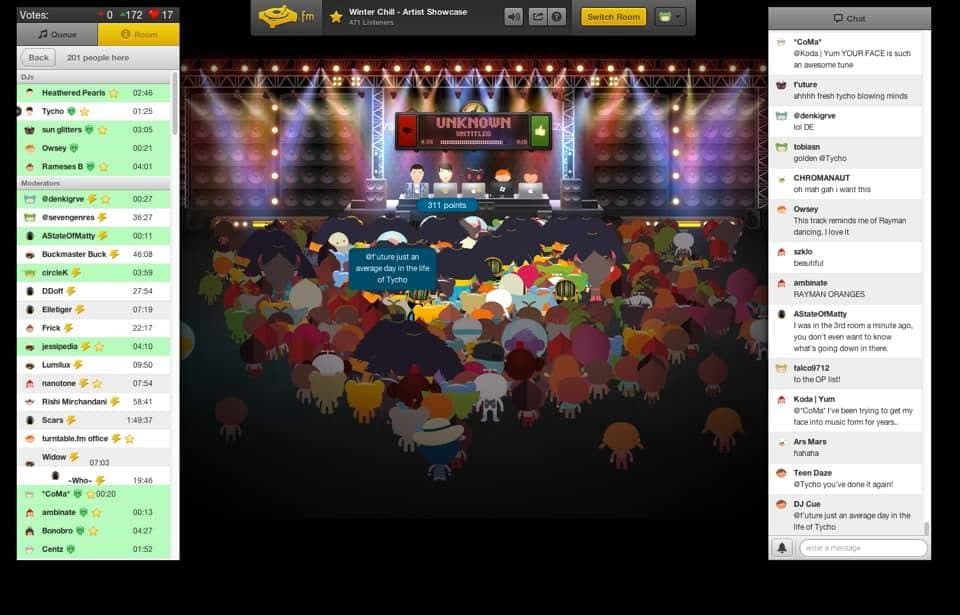
Futurechill was part of a broader sound I curated through mixes and through my Turntable.fm persona, future, also known as futurepixels.
Influences
The music I gravitated toward tended to reward patience.
Artists like Burial, Boards of Canada, Tycho, Bonobo, and many others showed me that electronic music could create a sense of place rather than simply a beat. Tracks could evolve slowly, leave space for silence, and trust the listener to meet them halfway.
That approach continues to influence how I think about creativity in general. Whether I'm designing products, building games, improvising with Dreamwave, or thinking through new ideas, I'm often trying to create experiences that unfold over time rather than revealing everything at once.
Listen
The Coastlines SoundCloud remains exactly as it was: a collection of original tracks, mixes, and musical discoveries from that period of my life.
I don't think of it as a finished chapter.
I still plan to return to making electronic music someday. I already have a clear idea of the direction I want to explore next. For now, Coastlines serves as a reminder of a decade spent learning through music, discovering artists, and participating in a creative community that had a lasting influence on how I think.